OUR PROGRAMS
What we Do
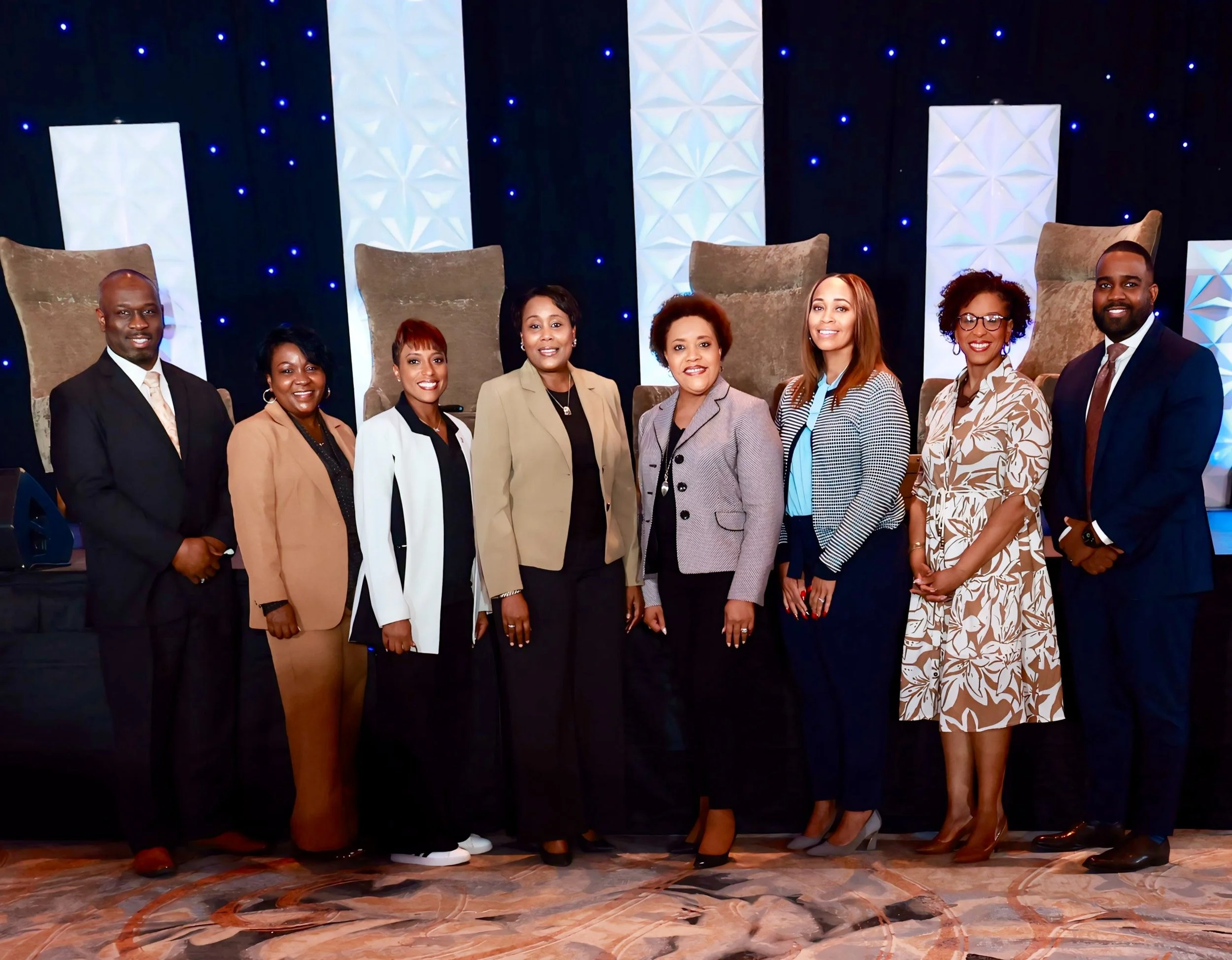
Alabama Possible removes barriers to prosperity by promoting postsecondary access and success through research, engaged learning, poverty simulations. We build capacity and nurture reciprocal community partnerships to ensure that our research-driven work is effective and sustainable.
POSTSECONDARY ACCESS
Alabama Goes to College
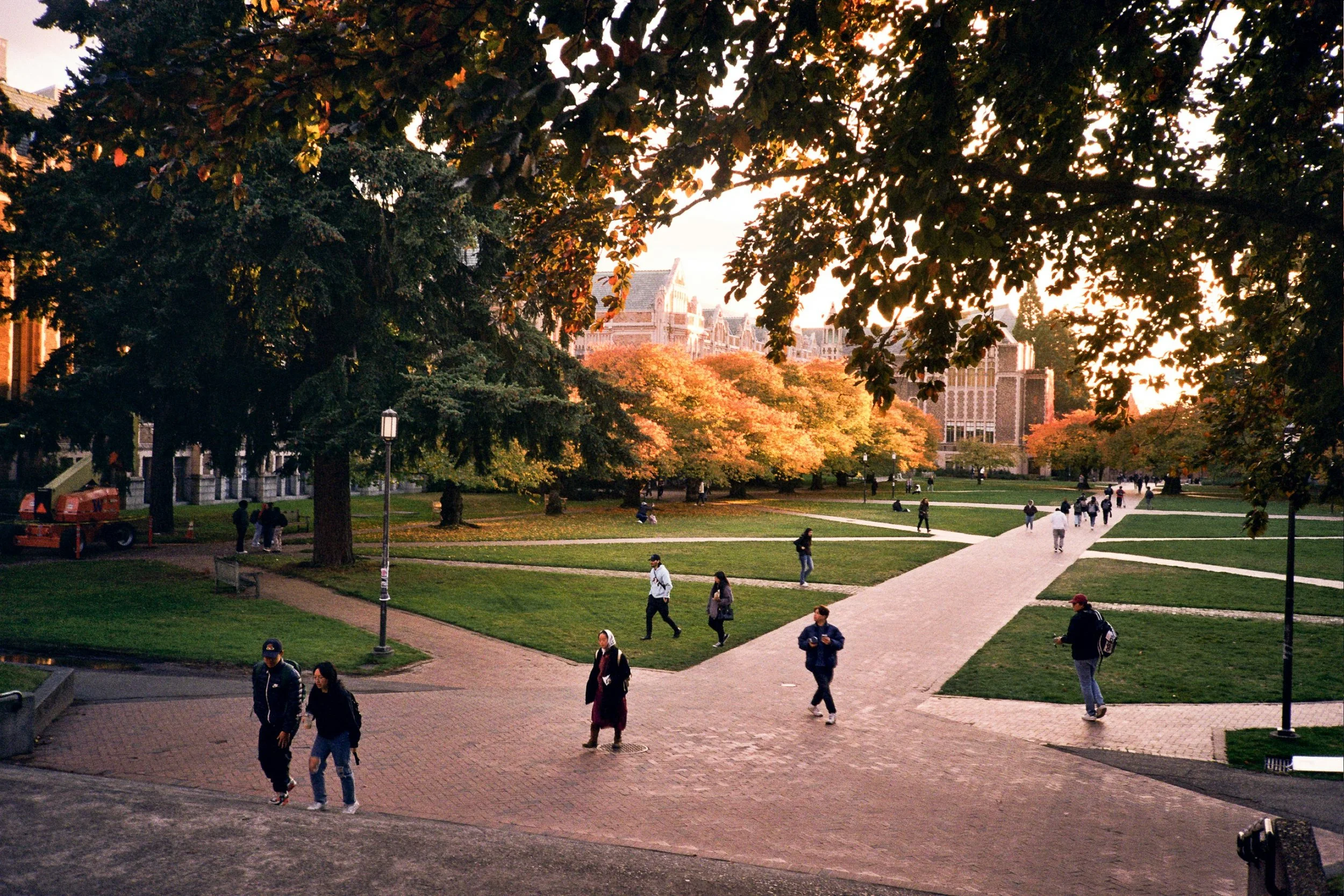
Alabama Goes to College equips Alabamians with tools and connects them to relationships so that every student can plan for, pursue, and complete valuable postsecondary credentials. Most career pathways require postsecondary credentials including technical certificates and academic degrees. Alabama Goes to College provides resources for students and families to explore college options, find financial aid resources, and successfully transition from high school to college. Alabama educators can register their school for the annual campaign.
-
The Alabama Direct Admission Initiative allows ALL high school seniors across Alabama to now be admitted to participating in-state colleges and universities – no applications required. Through this direct admission approach, students are recognized for their hard work with no stress, no applications, and no rejections. It’s a simpler, more supportive way to start the college journey.
The Alabama Direct Admission Initiative: The Alabama Direct Admission Initiative automatically admits Alabama high school seniors to participating in-state and out-of-state colleges and universities providing a simpler, stress-free path to college with no application fees or rejections.
Learn more HERE.
-
The Alabama Goes to College Campaign consists of four campaign components:
Cash for College:Cash for College’s goal is for every graduating senior to complete the FAFSA (Free Application for Federal Student Aid) before they graduate from high school so that they can access federal, state, and institutional aid to pay for their education after high school.
Alabama College Application Week:Alabama College Application Week is part of a national effort to increase the number of first-generation college students and students from low-income families pursuing a college degree or other higher education credential. The primary purpose of this effort is to help high school seniors navigate the complex college application and admissions process and ensure they apply to at least one postsecondary institution.
College and Career Decision Day : College and Career Decision Day celebrates students committing to pursue their education past high school: whether to obtain a two-year degree, a four-year degree, a certificate or industry recognized credential; enter the military; or pursue a skilled trade.
Alabama Direct Admission: Learn more HERE
-
Contact the Help Desk Line: Text or call the Alabama Goes to College Help Desk line for questions related to college admissions, financial aid, career pathways, and more! You can reach us at 334-316-6155 Monday through Friday from 9AM to 5PM. The Help Desk is for students and anyone who is supporting them!
POSTSECONDARY SUCCESS
Higher Education Alliance
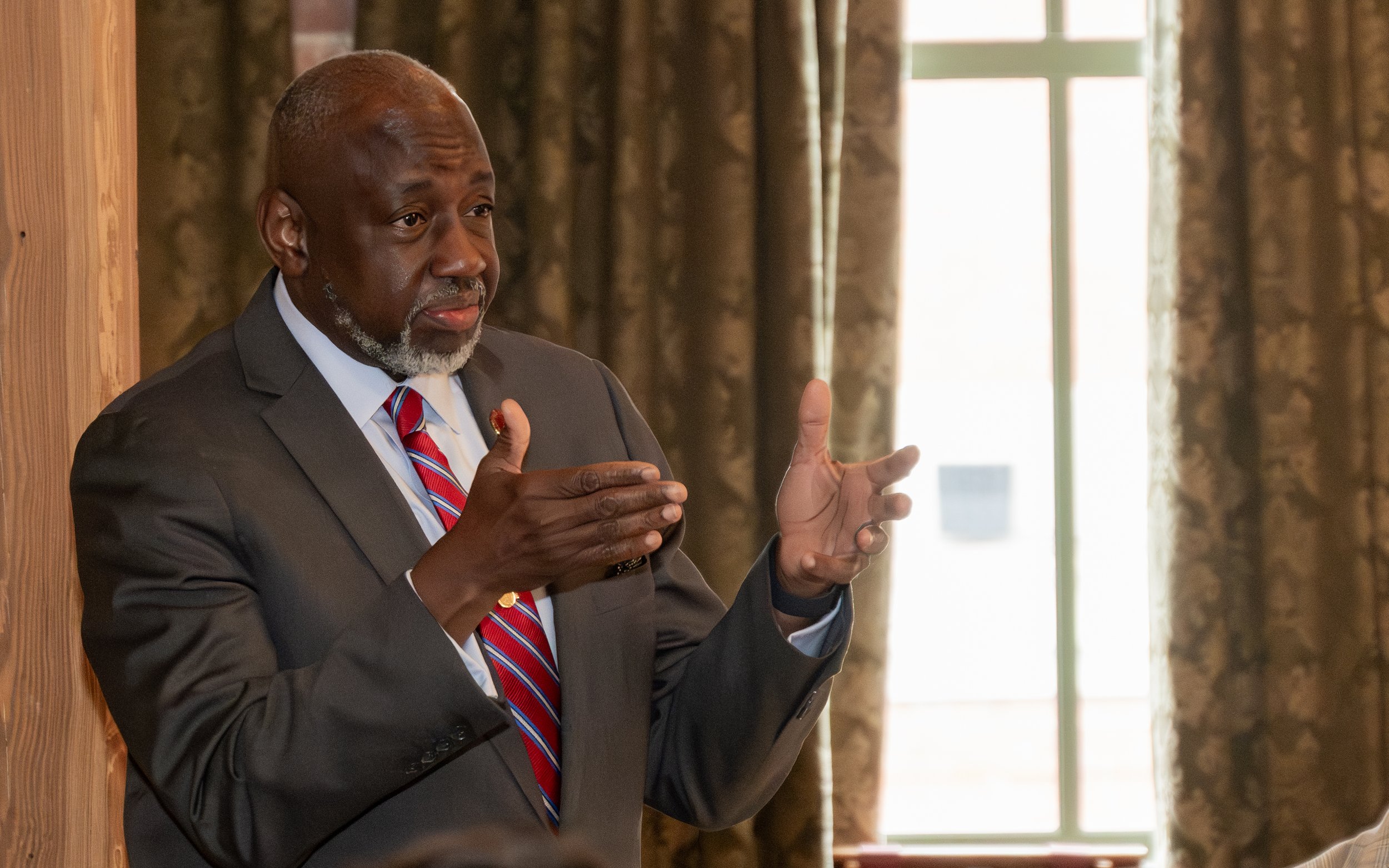
Alabama Possible works with colleges, state partners, and national groups to strengthen paths to college and credentials. Efforts include research on Alabama’s eight Historically and Predominantly Black community colleges, statewide convenings like the EmpowerED Conference, and initiatives that support adult learners returning to school. Alabama CAN connects K–12 schools, colleges, and workforce partners to raise enrollment and completion across Alabama.
-
The Alabama College Attainment Network breaks down barriers to increase college readiness, access, and completion in Alabama, particularly among students of under-resourced families, first-generation college-going students, and adult learners. The founding members of the network are Alabama Commission on Higher Education, Alabama Community College System, and Alabama State Department of Education with Alabama Possible providing the backbone support.
Alabama has come together as a state to focus on adding highly-skilled workers to the workforce; however, linkages between K-12 and postsecondary education opportunities remain fragmented. The Alabama College Attainment Network convenes statewide stakeholders annually focused on the transition from high school to and through postsecondary education and workforce. -
In 2022, Alabama Possible launched the Historically Black Community College (HBCC) and Predominately Black Community College (PBCC) Network named The Great Eight. As part of this project, Alabama Possible produced the nation’s first case studies on Alabama’s eight HBCCs/PBCCs named The Great Eight. These case studies highlight the success stories, the innovations, and the issues and challenges in these institutions. Additionally, Alabama Possible serves as a convenor of The Great Eight, hosting the bi-annual EmpowerED Conference for these institutions.
In collaboration with the Center for Innovation in Postsecondary Education, Alabama Possible is proud to announce the release of pioneering case studies that promise to significantly contribute to the understanding and advancement of Alabama’s Historically Black Community Colleges (HBCCs) and Predominantly Black Community Colleges (PBCCs), collectively known as “The Great Eight.” These case studies highlight the success stories, the innovations, as well as the issues and challenges in these institutions and were made possible by generous support from the ECMC Foundation.
-
(Re)engage Alabama, an adult attainment-focused Continuous Improvement Meeting Series, in collaboration with Alabama Commission on Higher Education (ACHE) aligns and connects multiple ongoing adult-focused initiatives under a set of common enrollment, completion, and labor force participation goals. These ongoing initiatives include but are not limited to the Institute for Higher Education Policy (IHEP) Degrees When Due project, the Council for Adult and Experiential Learning (CAEL) Prior Learning Assessment initiative, and a project with Complete College America (CCA) aimed at supporting adult learners in attaining credentials of value at the Historically Black Community Colleges and Predominantly Black Community Colleges in Alabama.
DATA & RESEARCH
Civic Engagement
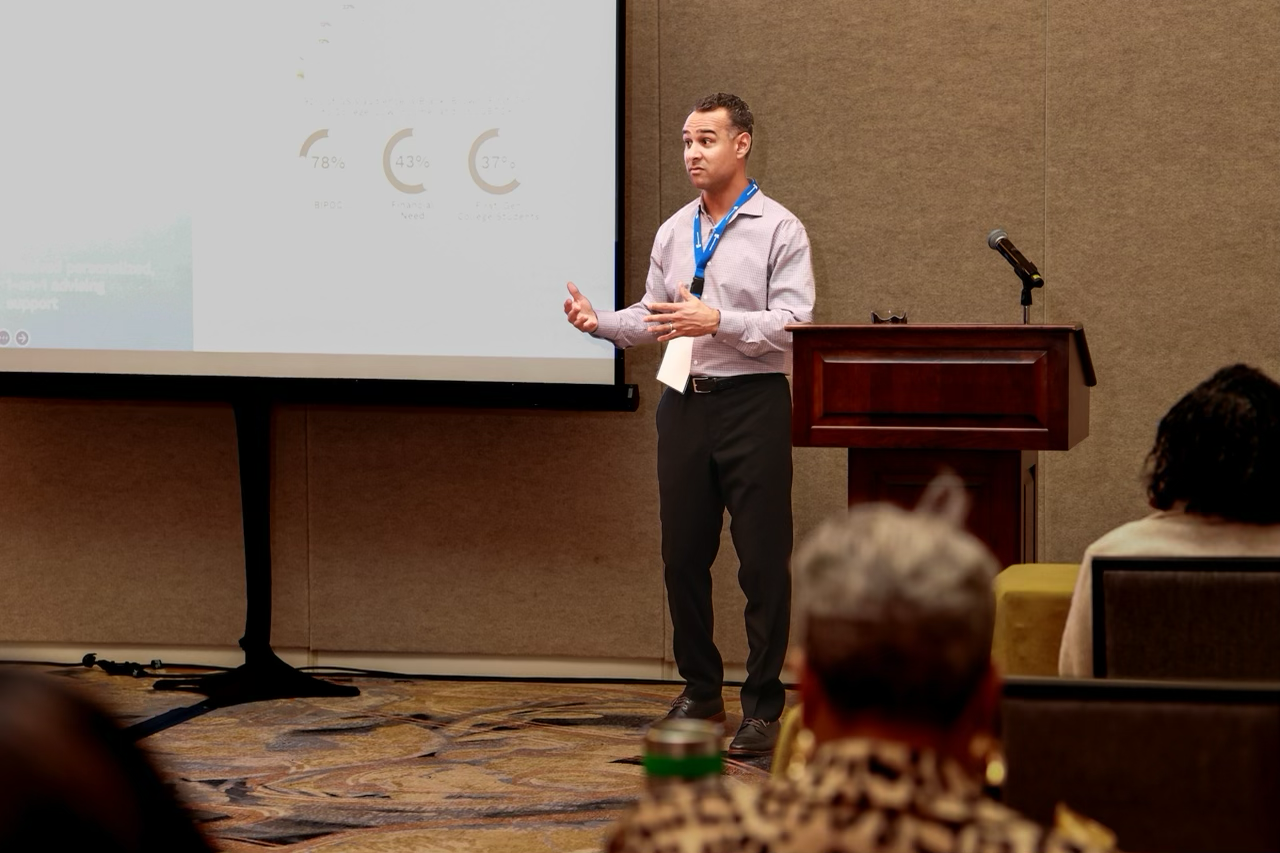
Alabama Possible provides data and learning tools that help communities understand barriers tied to prosperity. The Barriers to Prosperity Data Sheet compiles county-level measures on poverty rates, income, education, employment, food access, and health coverage across Alabama. Online data tools, discussion guides, and the Breaking Barriers Toolkit help groups review local conditions and plan action. The Community Action Poverty Simulation gives participants a hands-on view of the daily pressures families face.
-
Online data tools and discussion guides help groups review local conditions and plan action.
-
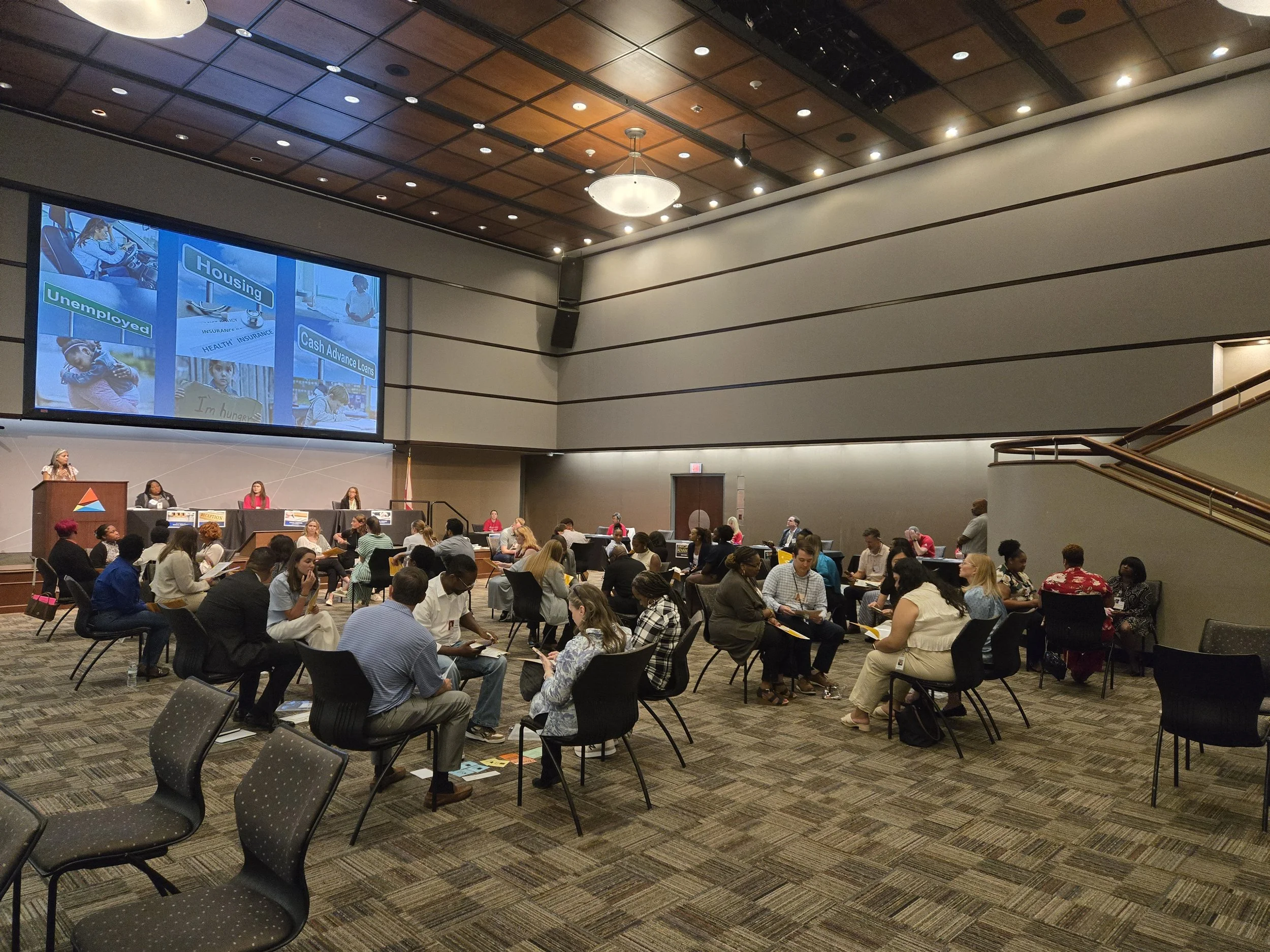
One of our most used poverty education tools is the Community Action Poverty Simulation, developed by Missouri Community Action Network, which is a unique, interactive experience that helps facilitate understanding of the challenges faced by individuals in our community who are living at or below the poverty level. The simulation increases participants’ understanding of hardships and the emotional toll experienced by impoverished members of our society and the work it takes to achieve self-sufficiency.
This educational and professional development experience was created as a way to help business and community leaders; students, faculty, and administrators; faith-based organizations, nonprofit organizations, and others understand the realities of poverty. During the simulation, participants role-play the lives of families living at or below the poverty level. Participants will experience typical challenges faced by individuals living in the context of constrained financial circumstances including maintaining employment, caring for children or elderly family members, seeking public assistance, and dealing with transportation issues.
The Poverty Simulation was designed to sensitize those who frequently deal with low-income families, as well as to create a broader awareness of the realities of poverty among policy-makers, business and community leaders, students, faculty, administrators, and more. The simulation enables participants to look at poverty from a variety of angles and then to recognize and discuss the potential for change within their community.For more information, contact “Manisha Mishra" at Alabama Possible": mmishra@alabamapossible.org
ADVOCACY
College Affordability
As students prepare for postsecondary pathways, a common concern is how to pay for education and training after high school. Financial barriers often present a significant hurdle for prospective students seeking to pursue a postsecondary credential. Ensuring students are not priced out of education requires policies that prioritize access, success, and attainment.
Simplify FAFSA
The Free Application for Federal Student Aid (FAFSA) is the gateway to the largest source of financial aid for students pursuing education after high school. However, the complexity of the form deters many families from completing the FAFSA. We advocate for a streamlined FAFSA that reduces the burden currently placed on students and families as they complete this important application. Learn more about our advocacy efforts and wins here.
Double Pell
The Pell Grant is the most efficient and effective way of getting financial aid to students with the highest need. As college becomes increasingly unaffordable and enrollment numbers decline, targeted support like the Pell Grant is the fastest way to increase support to the largest number of students. We advocate for the maximum Pell award to be doubled, returning its purchasing power back to more than 50% of the cost of attendance at a four-year public college, but not even close to its historic high of 79% of the cost of attendance. Learn more about our advocacy efforts and wins here.
Universal FAFSA
Many students do not pursue a postsecondary education because they are not aware of the financial aid opportunities available to them through the FAFSA. In fact, each year, thousands of high school seniors in Alabama do not complete a FAFSA, forfeiting millions of dollars in aid that could go towards their education. We advocate for making the FAFSA a part of high school seniors’ graduation checklist so that all students understand aid they are eligible for and can make informed financial decisions. Learn more about our advocacy efforts and wins here.
Stranded Workforce
Many students who begin a postsecondary program do not complete their education or training, leaving them without a valuable postsecondary credential. These “near-completers” often accumulate a substantial amount of credits and intend to return but do not have an accessible path back. Re-engaging stranded workers with some college but no degree requires policies and practices that support adult learners who are balancing many responsibilities and obligations. Learn more about our advocacy efforts and wins here.