Building Pathways to Prosperity in Alabama
We partner with communities, educators, and advocates to reduce barriers and expand opportunity across the state.
OUR MISSION, VISION & VALUES
What Guides Our Work
Alabama Possible works to ensure people across the state have clear paths to secure, thriving lives regardless of their zip codes. Our focus is on removing barriers through education, collaboration, and advocacy, while supporting communities as they shape their futures. We center our work on approaches that strengthen relationships, lift shared goals, and expand access to the resources people need to move forward.
Equity - Everyone should have the chance to build a meaningful and prosperous life.
Resiliency - Communities are equipped with the strength and insight to guide their own futures.
Partnerships - Working together helps resources stretch further and impact grow stronger.
The Golden Rule - We lead with reciprocity, care, and respect in every relationship.
Our Team
Each team member plays a part in reducing barriers, sharing clear information, and strengthening partnerships across the state.
-
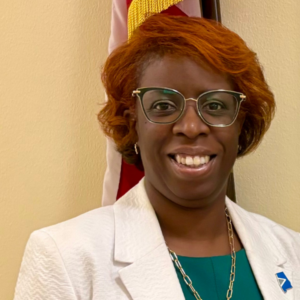
Chandra Scott
(she/her)
Executive Director
Clifton Strengths: Strategic, Achiever, Connectedness, Learner, Relator
Chandra is driven by the need to increase equitable postsecondary access and success in Alabama and to shift mindsets on how to eradicate poverty. Under her leadership, Alabama Possible convenes statewide and regional networks including the Alabama College Attainment Network, the Higher Education Alliance, Alabama Degrees When Due, 75,000 Degrees Talent Hub, and Bold Goals FAFSA Action Network. The organization leads the Alabama Goes to College Campaign as a strategy to increase FAFSA completion and postsecondary enrollment.
-
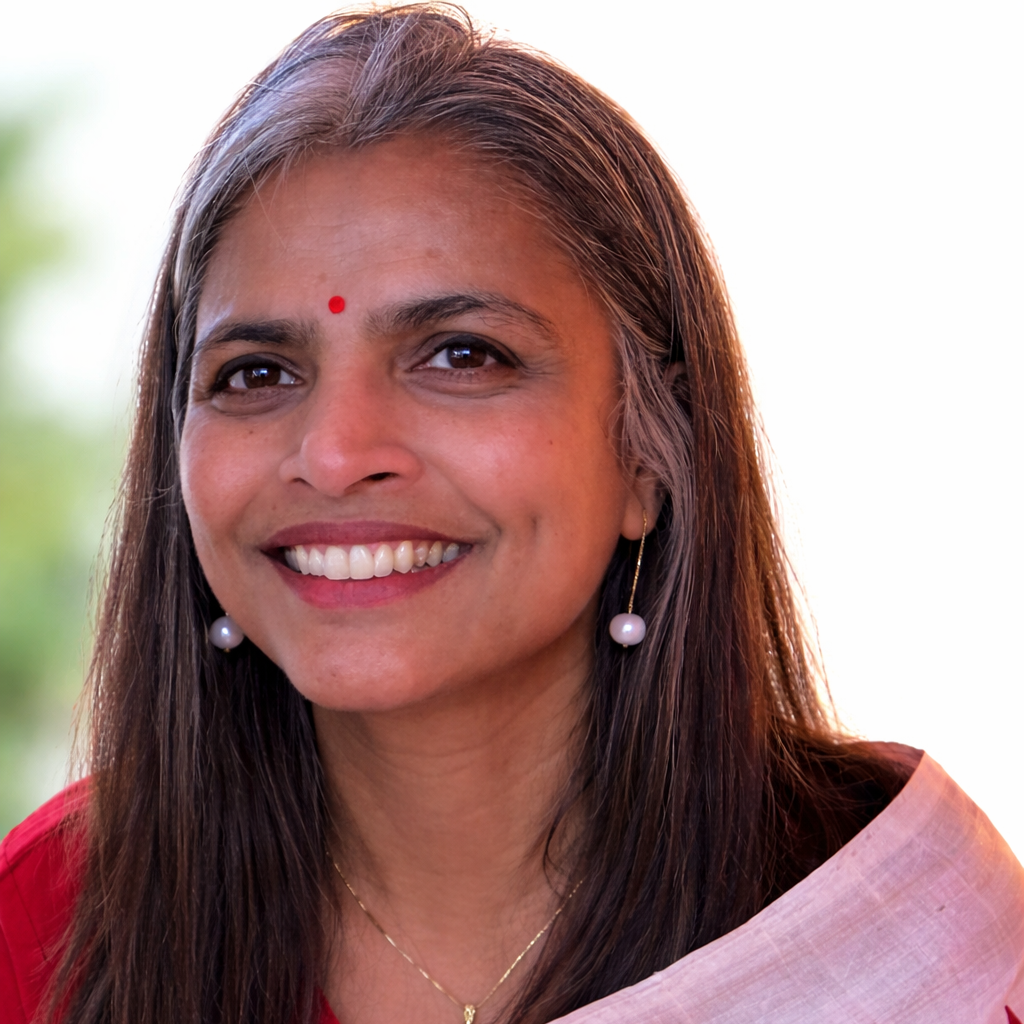
Manisha Mishra
(she/her)
Deputy Director
Clifton Strengths: Connectedness, Learner, Relator, Arranger, Belief
Manisha is the Deputy Director at Alabama Possible and directs its poverty education and educational attainment programs. Since joining the organization in 2020, she has led strategic initiatives to expand educational attainment, strengthen community partnerships, and advance policies that improve opportunities for Alabamians. Manisha played a key role in launching the Alabama College Attainment Network, supporting 65+ partner organizations and building Regional College Attainment Networks across the state. She oversees the organization’s daily operations and strategic communications plan.
-
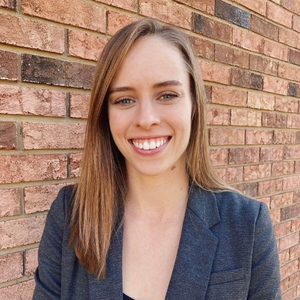
Mae Whiting
(she/her)
Data and Research Director
Clifton Strengths: Developer, Achiever, Learner, Empathy, Relator
Mae advocates for equitable education outcomes by managing Alabama Possible’s data and research initiatives. Prior to joining the team, Mae received her master’s degree in Sociology of Education while serving on the Advisory Board at Teens Take Charge, a student-led movement working to ensure student voices are prioritized in educational policy decisions. She has held positions in advocacy, research, and policy roles seeking to address disparities in education and health outcomes across the South. She is interested in the way activism and community voice intersect with research and public policy. In her free time, Mae enjoys walking trails with her wife, son, and two dogs.
-
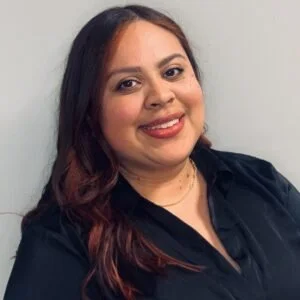
Ciomara Angel
(she/her/ella)
Strategy Manager for Postsecondary Access
Clifton Strengths: Empathy, Developer, Consistency, Responsibility, Restorative
Ciomara Angel is the Strategy Manager for Postsecondary Access at Alabama Possible, where she leads the Alabama Goes to College Campaign to increase postsecondary enrollment and FAFSA completion across the state. Ciomara earned her bachelor’s degree in social work from the University of Alabama at Birmingham in 2021. After graduation, she served as a career coach at the Hispanic and Immigrant Center of Alabama, where she helped first-generation, and immigrant Latinx students navigate the path to higher education. Her work included guiding students and families through the FAFSA process, addressing language barriers, and reassuring families that the application was safe to complete—alleviating fears and misinformation. The work led her and the team to be recipients of the 2023 National Association of Multicultural Education’s Rose Duhon-Sells Program Award for their partnership with the University of Montevallo with their “Breaking Barriers” event, which aimed to overcome the language barriers that families face when seeking information for their first-generation students.
-
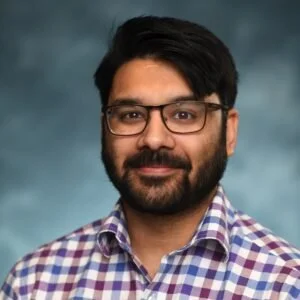
Anondo Banerjee
(he/him)
Strategy Director for Postsecondary Success
Clifton Strengths: Input, Connectedness, Intellection, Positivity, Learner
Anondo strongly believes that a postsecondary education is a necessary next step for our nation’s high school students to succeed. As such, he’s excited that his work as the Strategy Director for Postsecondary Success is primarily focusing on the Alabama College Attainment Network’s goal of increasing the number of Alabama students working towards a postsecondary credential. Anondo is coming to this work with a background in higher education, learning and development in the private sector, and working one-on-one with high school students on their college applications. In his free time, Anondo volunteers for local community organizations and enjoys playing Dungeons and Dragons with his friends.
BOARD OF DIRECTORS
The Board Supporting Our Mission
Our board brings together leaders who help guide our direction and support our long-term goals for Alabama communities.
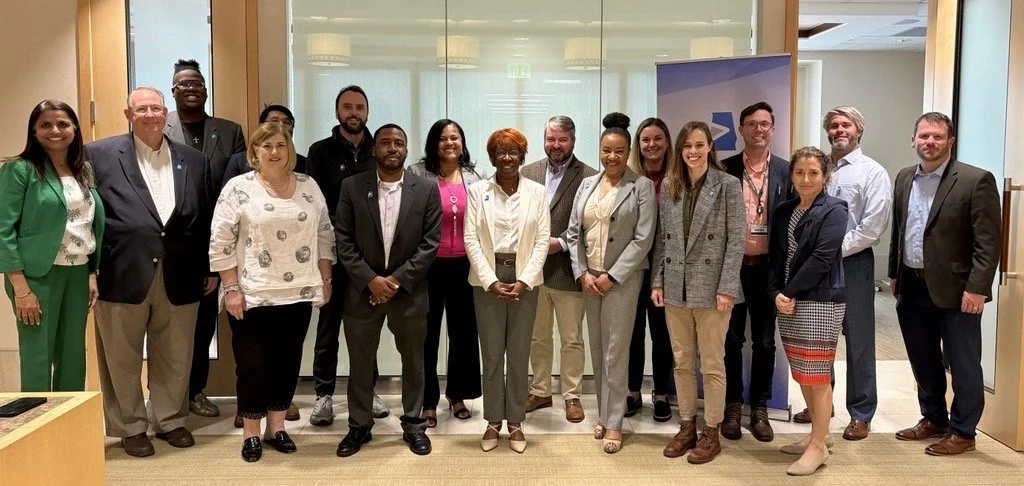
Melvin Love, EdD, Chair
Allie Tucker, JD, Vice Chair
Sebrena Jackson, PhD, Secretary
Bishop Mostellar, Treasurer
Glyn Agnew
Jonathan Cellon, PhD
Shelly Chivara
Mark Dixon
Brandon Glover
Brandon McKinney
Lisa Morales
Monica Motley, EdD
Wayne Flynt, PhD, Emeritus
Ralph Foster, Emeritus
Leon Frazier, EdD, Emeritus
Our History
The Story of Alabama Possible
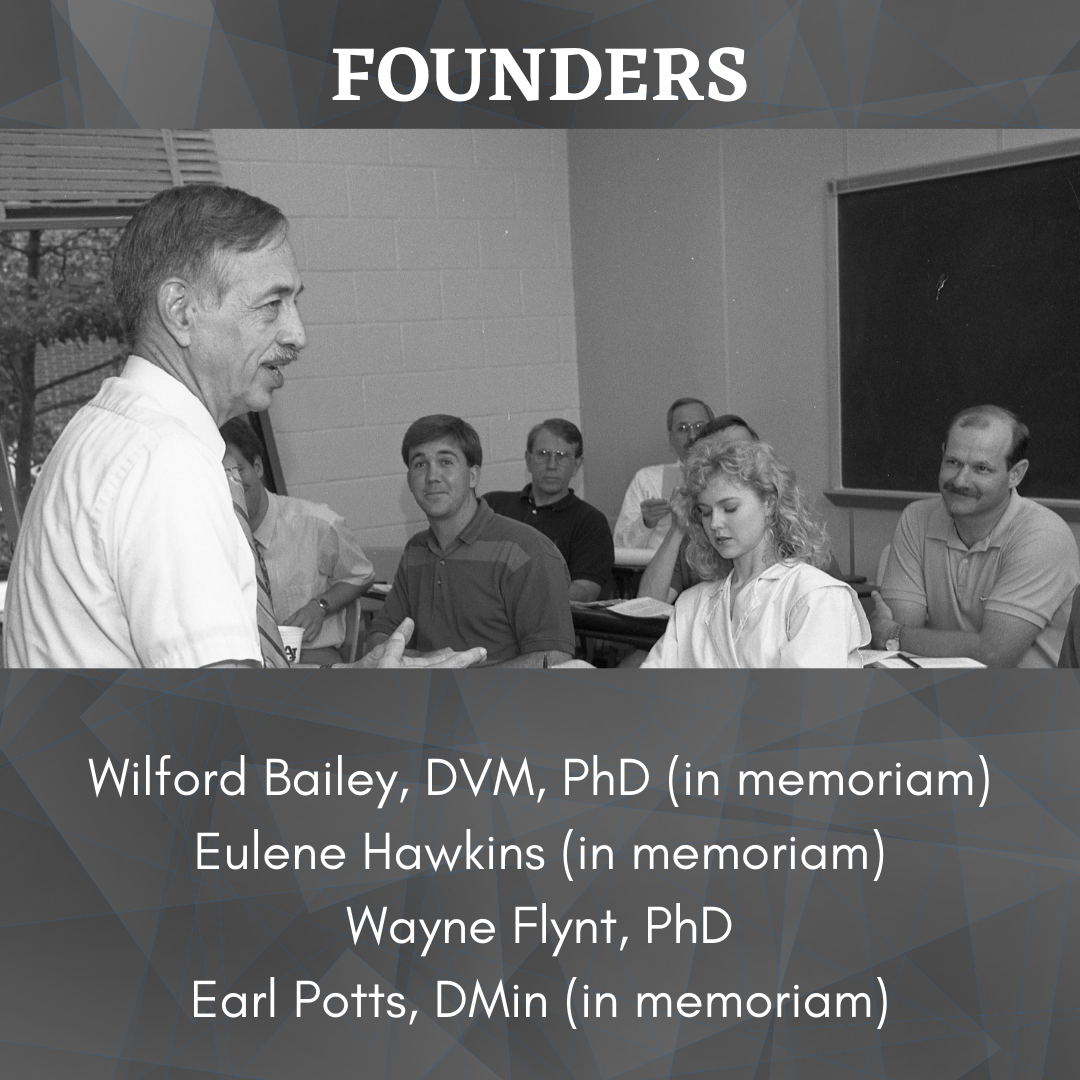
In 1993, a group of concerned citizens, including Auburn University President Wilford Bailey, Auburn History Professor Emeritus Wayne Flynt, Social Work Pioneer Eulene Hawkins, and Alabama Baptist Convention President Earl Potts, came together to form Alabama Possible, then known as the Alabama Poverty Project. They joined with others across the South to study poverty, publicize their findings, teach undergraduates what they had learned, and mobilize public policy to bring about systems change. Alabama Possible is a 501(c)3 nonprofit corporation.